

- +8615936540927
Cape seal is a composite overlay sealing technology for preventive road maintenance, consisting of a underlying chip seal topped with microsurfacing or slurry seal.It features outstanding waterproofing, skid resistance, wear resistance and structural stability, delivering high construction cost performance and long-lasting maintenance effects. The construction quality imposes stringent requirements on materials, ambient conditions and working procedures. This article concisely sorts out three core construction precautions to support standardized construction implementation.
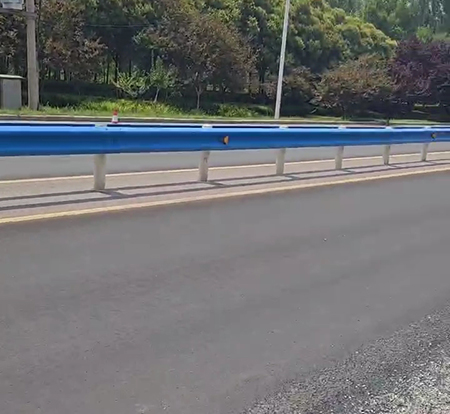
Featuring a multi-layer composite structure, Cape seal has different performance requirements for binders in the base and surface layers.
Layer-specific material selection is mandatory to avoid quality defects such as weak interlayer adhesion, water seepage and aggregate loss caused by improper material application.For the underlying chip seal, modified asphalt, rubber asphalt, neat asphalt or spray-type emulsified asphalt can be adopted as binders. These materials boast excellent adhesion and stability; they can remedy defects of the original pavement, firmly bond the aggregates to the base pavement, effectively prevent pavement distresses including raveling, shoving and aggregate loss, and consolidate the pavement base structure.
Slow setting and fast curing cationic modified emulsified asphalt shall be uniformly used for the surface microsurfacing and slurry seal.This material cures evenly and forms up rapidly, creating a smooth, dense pavement surface layer with both skid resistance and waterproof performance. It can tightly adhere to the underlying structure and improve the overall durability of the seal.
Asphalt binders are highly sensitive to temperature and humidity. Construction must be carried out under strictly controlled climatic conditions; construction at low temperatures, on damp surfaces or during rainfall is prohibited to guarantee the bonding and curing performance of the seal.
Construction is recommended when the average temperature exceeds 20°C. Otherwise, weak interlayer bonding and pavement sanding defects may occur.
Construction is strictly forbidden during rainfall or when the pavement surface is damp.
Cape seal adopts a two or three-layer composite construction process.Continuous working sequences and interlayer cleanliness are core construction priorities. Standardized process linkage can effectively secure the overall stability of the composite structure.
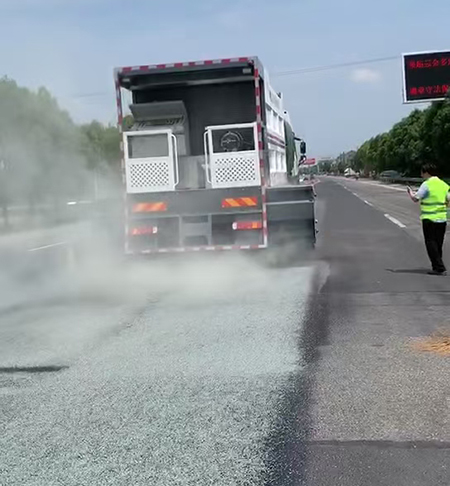
Construction shall proceed layer by layer in order with continuous workflow. The surface microsurfacing or slurry seal construction can only start after the underlying chip seal is fully stabilized and aggregates are firmly bonded. This avoids structural deformation and interlayer dislocation resulting from uncured base layers, and ensures integrated forming of the multi-layer structure.

Contamination control shall be implemented throughout construction. Cross working procedures shall be avoided to prevent bonding surfaces from being contaminated by dust, oil stains, debris and transportation residues. Operating areas of on-site machinery and vehicles shall be standardized to maintain clean interlayers, so as to secure the bonding quality and forming effect of the seal.
In summary, the construction quality of Cape seal hinges on three critical factors: layer-specific material selection, temperature and humidity environment control, and standardized continuous construction.Compared with conventional single-layer seals, composite Cape seal boasts superior performance advantages. Strict control over construction details can effectively prevent pavement distresses such as water seepage, delamination and raveling, fully exert its strengths of waterproofing, skid resistance and long service life, extend pavement service life significantly, and suit preventive maintenance and rehabilitation projects for all types of highways.
For related product information, see our asphalt emulsifier products.